

Full-Grain vs. Top-Grain vs. Genuine Leather: Key Differences for Wallets
A leather wallet can look great on day one, but how will it hold up to everyday carry? The answer depends on more than the words printed on its label.
Terms such as “full-grain,” “top-grain,” and “genuine leather” describe different things about a material. Understanding them helps you look beyond marketing and choose a wallet with the feel, finish, and durability you want.
Here’s how these leather terms compare, where bonded leather fits in, and what to check before buying your next wallet.
Understanding Common Leather Terms
These labels are not a universal best-to-worst grading system. Leather quality also depends on the original hide, tanning, finishing, thickness, and how the finished item is made.
- Full-grain leather: Leather that retains its natural grain surface rather than having it sanded away.
- Top-grain leather: Leather from the upper portion of the hide. In retail descriptions, this term often refers to leather whose grain surface has been corrected for a more consistent appearance.
- Genuine leather: A broad description indicating real leather, not a specific quality grade. The label alone does not tell you which layer, finish, or construction was used.
- Bonded leather: A composite made with leather fibers or scraps held together with binders, rather than an intact piece of hide.
1. Full-Grain Leather: Natural Character and Lasting Appeal
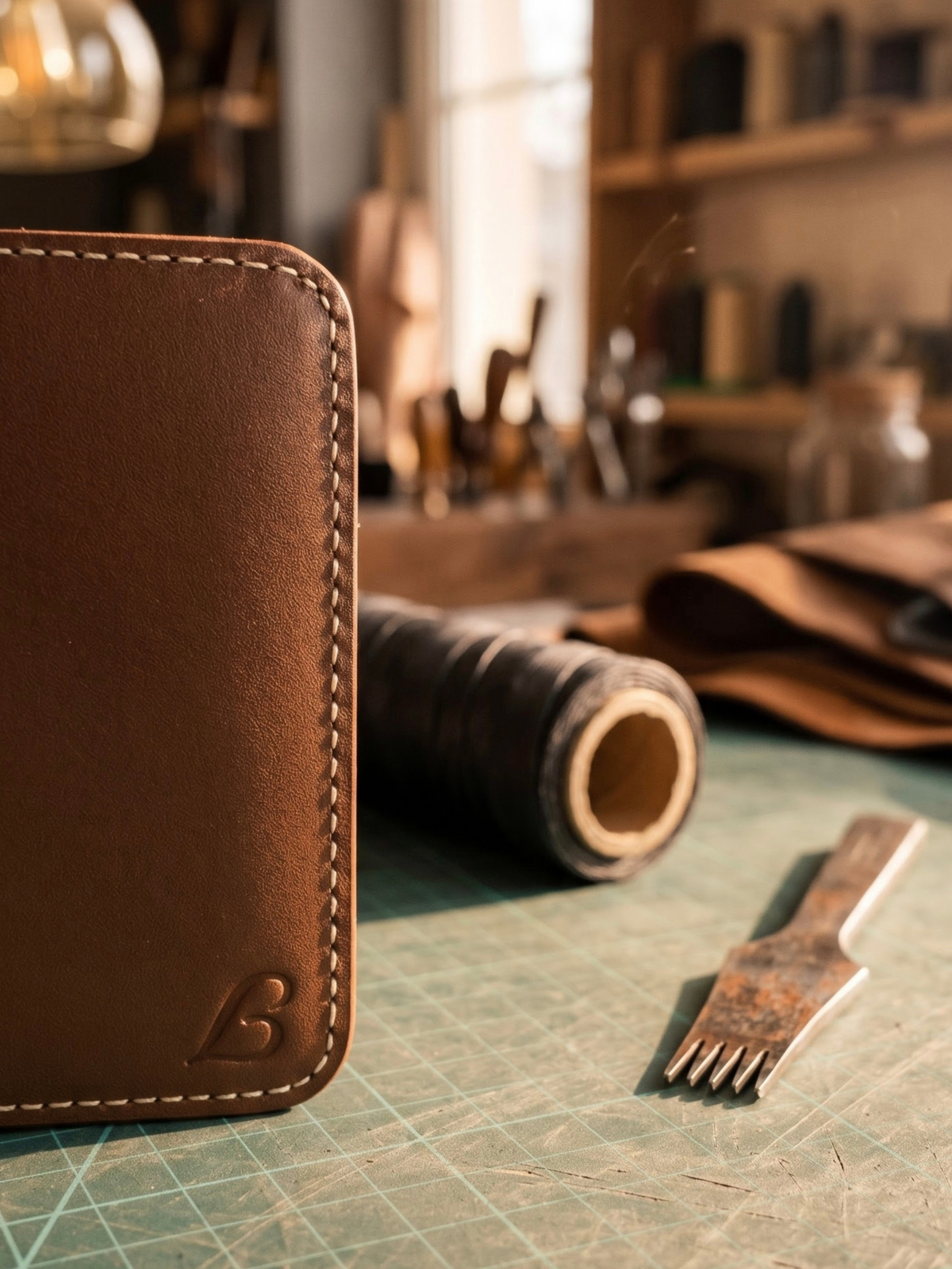
Full-grain leather keeps the natural grain surface of the hide. Subtle marks and variations give each piece its own character rather than a perfectly uniform appearance.
- Durability: Well-made full-grain leather goods can stand up to years of use with appropriate care. Stitching, design, and leather thickness matter too.
- Appearance: Natural grain patterns and markings can remain visible, depending on the finish.
- Aging: Many full-grain leathers develop a patina as their color and surface change with handling and use. The effect depends on tanning and finishing.
Full-grain leather is a compelling choice if you enjoy natural texture and the way a leather item can gain character over time. It is not damage-proof or waterproof, so care still matters.
2. Top-Grain Leather: A More Consistent Finish
Full-grain leather comes from the top-grain portion of the hide too, so the terms are not completely separate categories. When sellers contrast “top-grain” with “full-grain,” they commonly mean leather whose surface has been sanded or buffed to reduce visible imperfections.
Corrected leather may be pigmented or embossed for a more even look, but not every finish or manufacturing process is the same.
- Durability: Quality top-grain leather can be durable and suitable for wallets, bags, and other frequently used items.
- Appearance: Often more uniform than leather with an uncorrected natural grain.
- Aging: Patina and wear depend on the finish. Heavier coatings can make natural changes less noticeable.
Choose based on the specific leather and construction rather than assuming all top-grain products will perform alike.
3. Genuine Leather: A Label That Needs More Detail
“Genuine leather” means real leather, but it does not identify a precise quality level. It should not automatically be treated as another name for low-quality split leather.
A product carrying this label might use split leather, corrected leather, or another leather construction. Ask for more information about the material rather than relying on the label alone.
- Durability: Cannot be reliably judged from the phrase “genuine leather.”
- Appearance: Varies widely with the leather and its finish.
- Aging: Depends on the underlying material, surface treatment, and care.
A useful product description should explain the leather type, finish, and construction clearly enough for you to make an informed choice.
4. Bonded Leather: A Leather-Based Composite
Bonded leather combines leather fibers or scraps with binders and is often supported by a backing material and a surface coating. It is different from an intact leather hide.
- Durability: The surface can peel or delaminate with wear. Performance varies with composition and use.
- Value: Often a lower-cost option, but not my first choice for a wallet intended for long-term daily carry.
Comparison Table: Full-Grain vs. Top-Grain vs. Genuine Leather
| Feature | Full-Grain Leather | Top-Grain Leather* | Genuine Leather |
|---|---|---|---|
| What the label tells you | Natural grain surface retained | Upper-hide leather, often with a corrected surface | Real leather; exact type not specified |
| Appearance | Natural variations may be visible | Often more uniform | Varies by material and finish |
| Durability | Can be excellent with good construction and care | Can be very good; quality and finish matter | Cannot be determined from the label alone |
| Develops patina? | Often, depending on tanning and finish | Possible; heavier coatings can limit visible patina | Depends on the specific leather |
| What to look for | A finish and feel you enjoy, plus sound construction | Clear finish details and quality construction | More specific information from the seller |
*Here, “top-grain” refers to the common retail use of the term for corrected upper-hide leather. Full-grain leather also comes from the top-grain portion of a hide.
Why Leather Choice Matters for Your Wallet
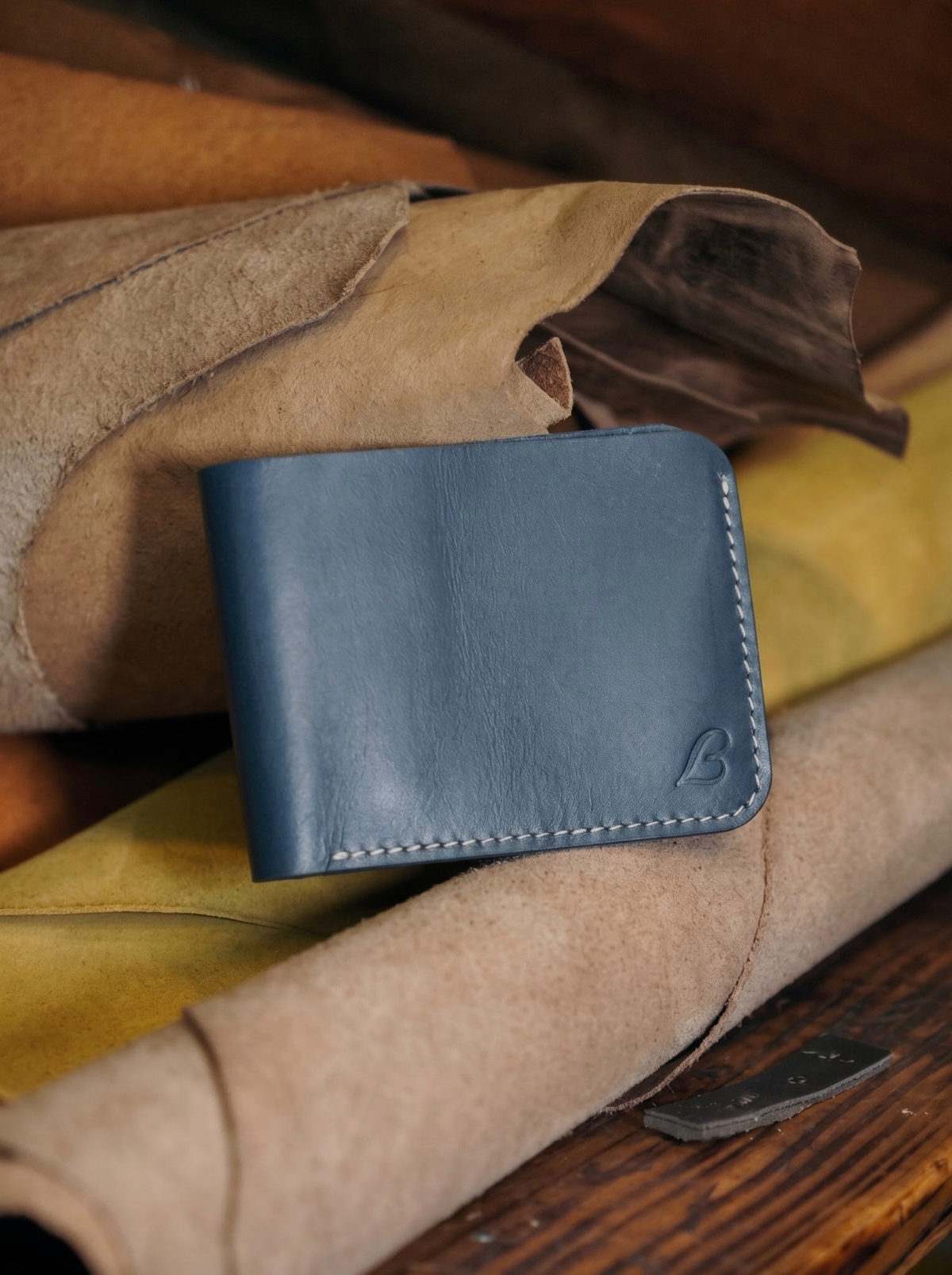
A wallet gets pulled from pockets, handled, and flexed every day. The right leather matters, but so do the stitching, edges, lining, and overall design.
- Choose for everyday use: Look for solid construction and a design that fits what you carry without overstuffing.
- Choose the aging you enjoy: If you like natural variation and developing patina, a lightly finished full-grain leather may appeal to you.
- Think beyond the initial price: A well-made, repairable wallet can offer better long-term value than one you need to replace frequently.
Caring for a Leather Wallet
Avoid soaking your wallet, prolonged heat, and overfilling. If it gets damp, let it dry naturally away from direct heat. Follow the maker’s care instructions and test any suitable conditioner on an inconspicuous area first, as it may change the color or finish.
Find Your Next Everyday Companion
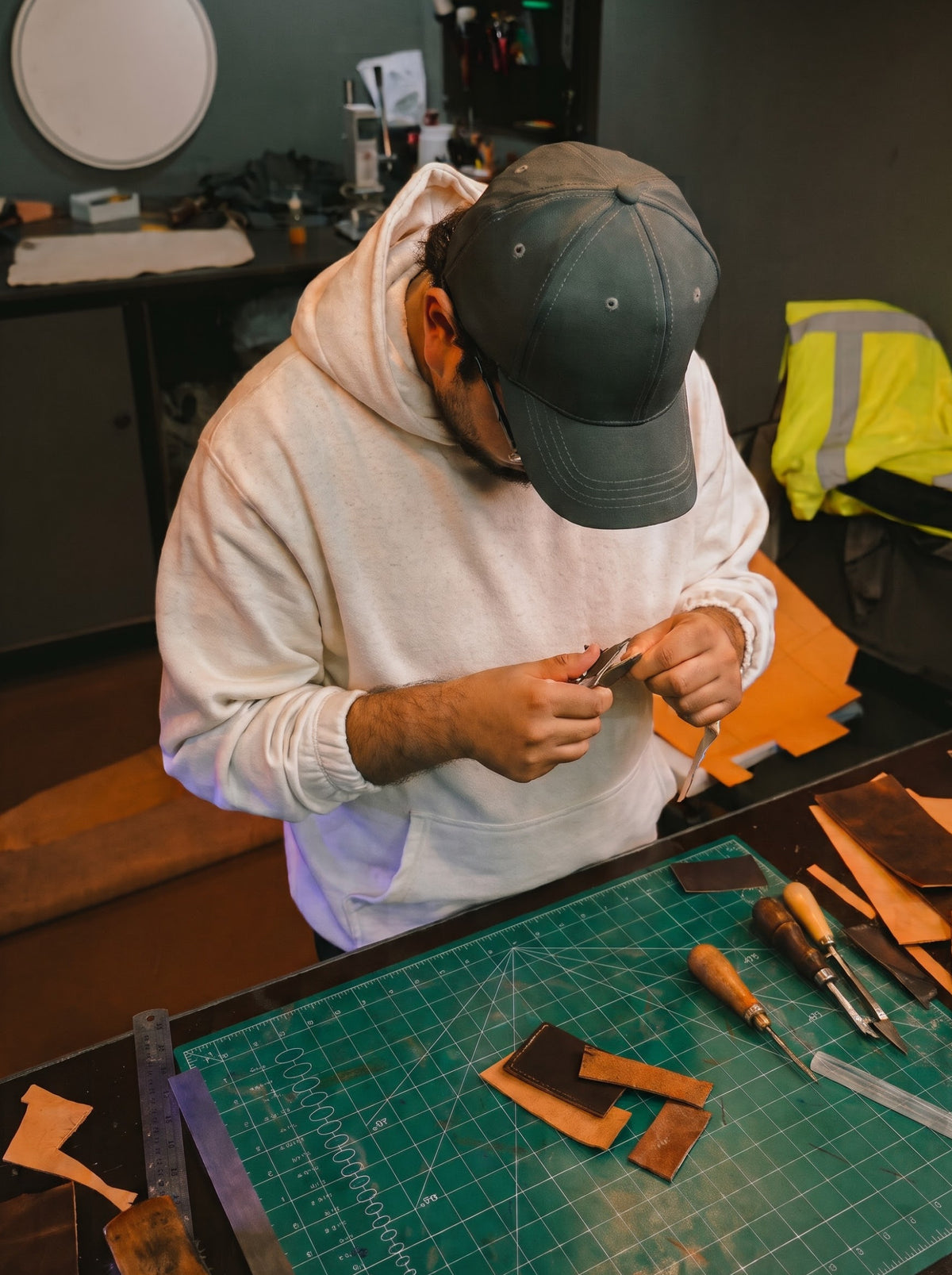
At Koko Leather, we make handcrafted leather goods for everyday carry. Explore the material details on each product page to find the right match for your style and routine.
Prefer a classic fold? Explore our Traditional Bifold Wallet collection.
Looking for a slimmer carry? Browse our Cardholders collection.

Leave a comment
This site is protected by hCaptcha and the hCaptcha Privacy Policy and Terms of Service apply.