

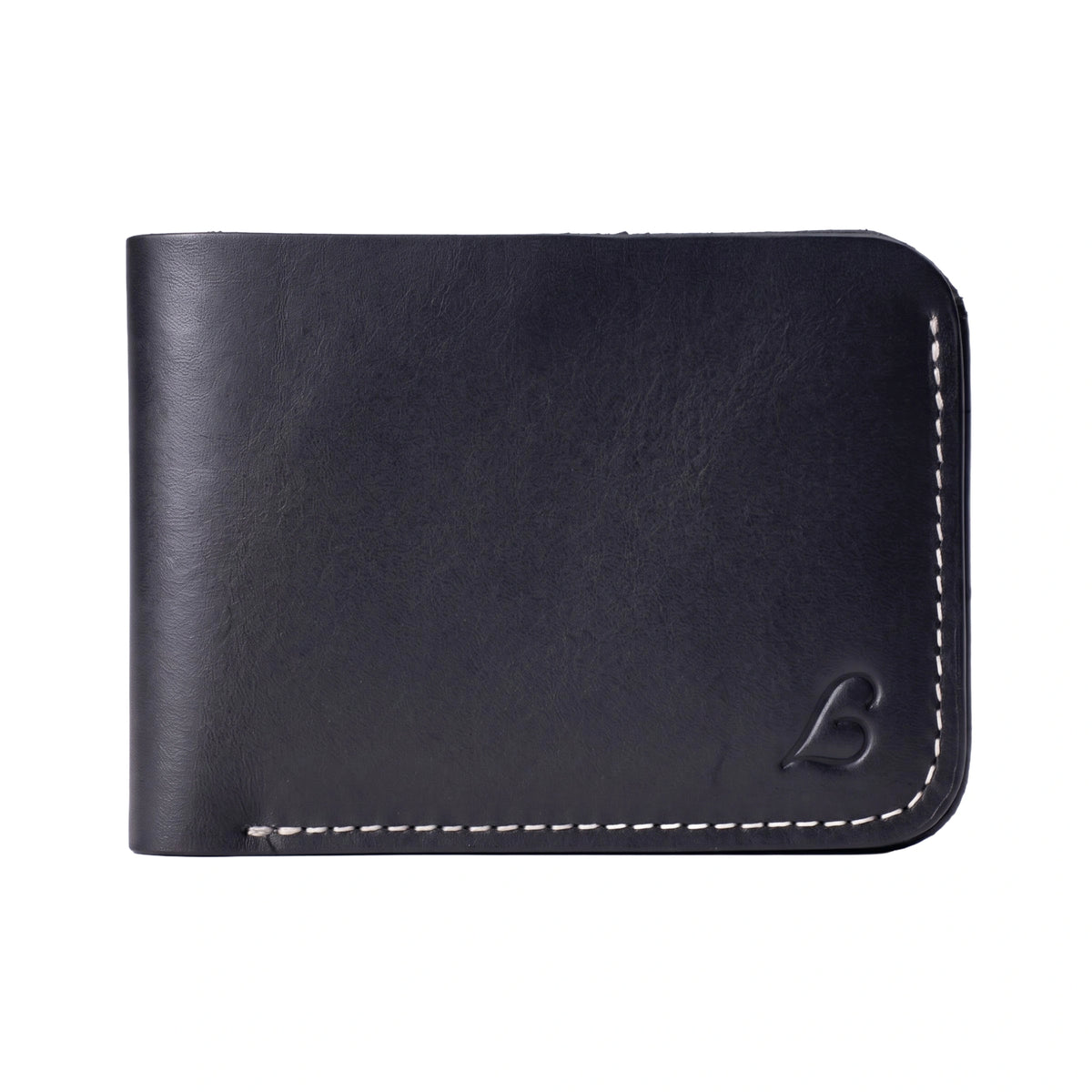
What Is Leather Patina? How Full-Grain Aniline Leather Wallets Age Beautifully
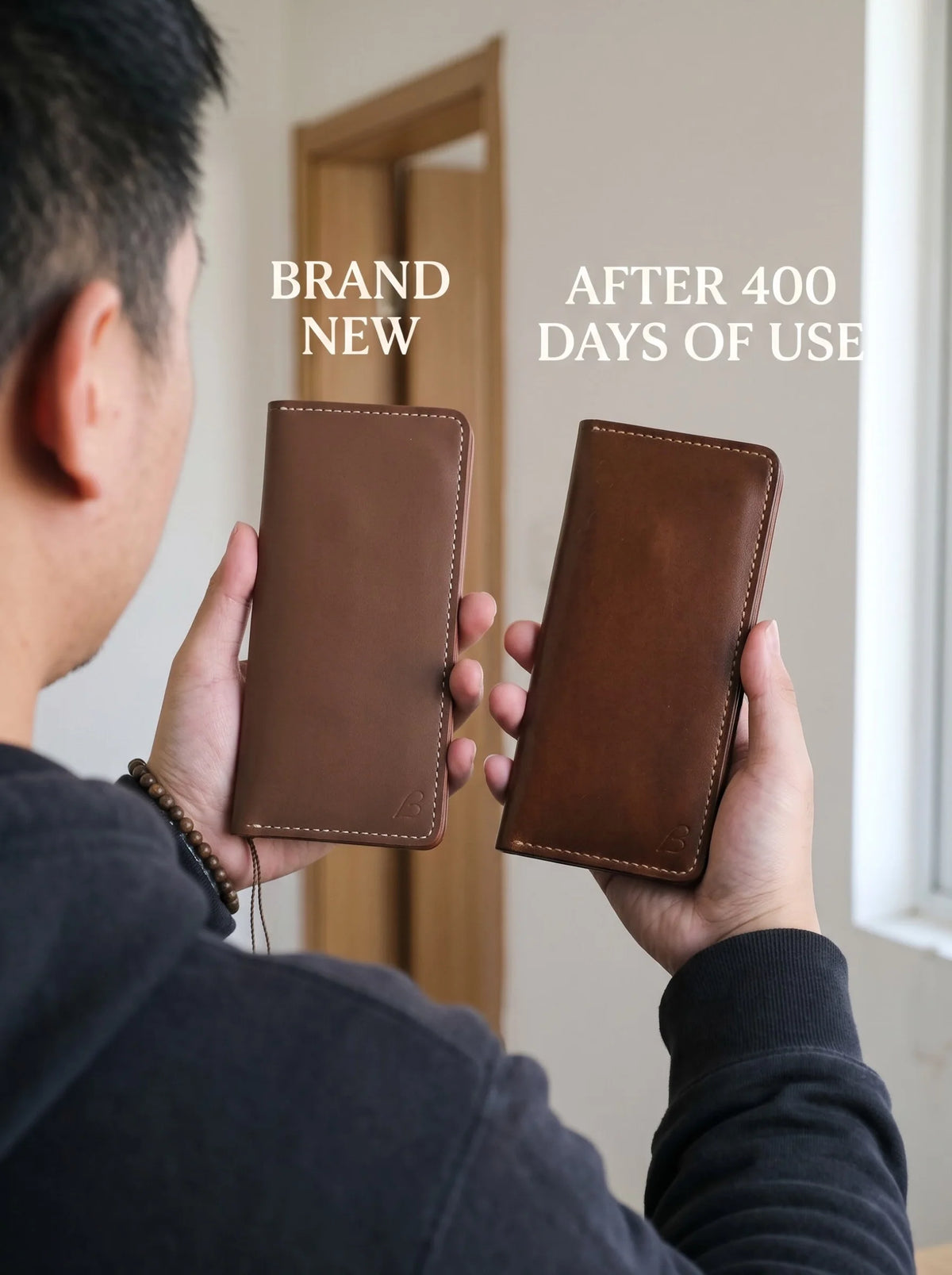
Some materials show their age through wear. Leather can tell a different story. With regular use and thoughtful care, a full-grain aniline leather wallet can develop a richer color, a softer feel, and a distinctive surface sheen. This gradual transformation is known as patina.
From the first signs of polish along a folded edge to deeper tones across the surface, patina gives a wallet character that reflects the way you carry it.
What Is Leather Patina?
Patina is the change in color, sheen, and texture that leather develops over time through handling and exposure to its surroundings. It is especially noticeable on leathers with lighter surface finishes, where the natural grain remains visible.
Several everyday influences contribute to this process:
- Handling: Oils from your hands can gradually deepen the color and add a subtle sheen to frequently touched areas.
- Light: Exposure to light can change the leather’s tone over time. Prolonged direct sunlight can also cause fading or dryness, so it is best avoided.
- Friction: Contact with clothing and pockets gently polishes high-contact areas, particularly corners and folded edges.
- The environment: Air and humidity can influence how leather ages. Excess moisture, however, can leave marks or damage the leather.
No two wallets develop exactly the same patina. Your routine, the way you handle your wallet, and the conditions it encounters all shape its appearance.

Shop the Brown Slim Vertical Bifold Wallet
Why Full-Grain Aniline Leather Develops Character
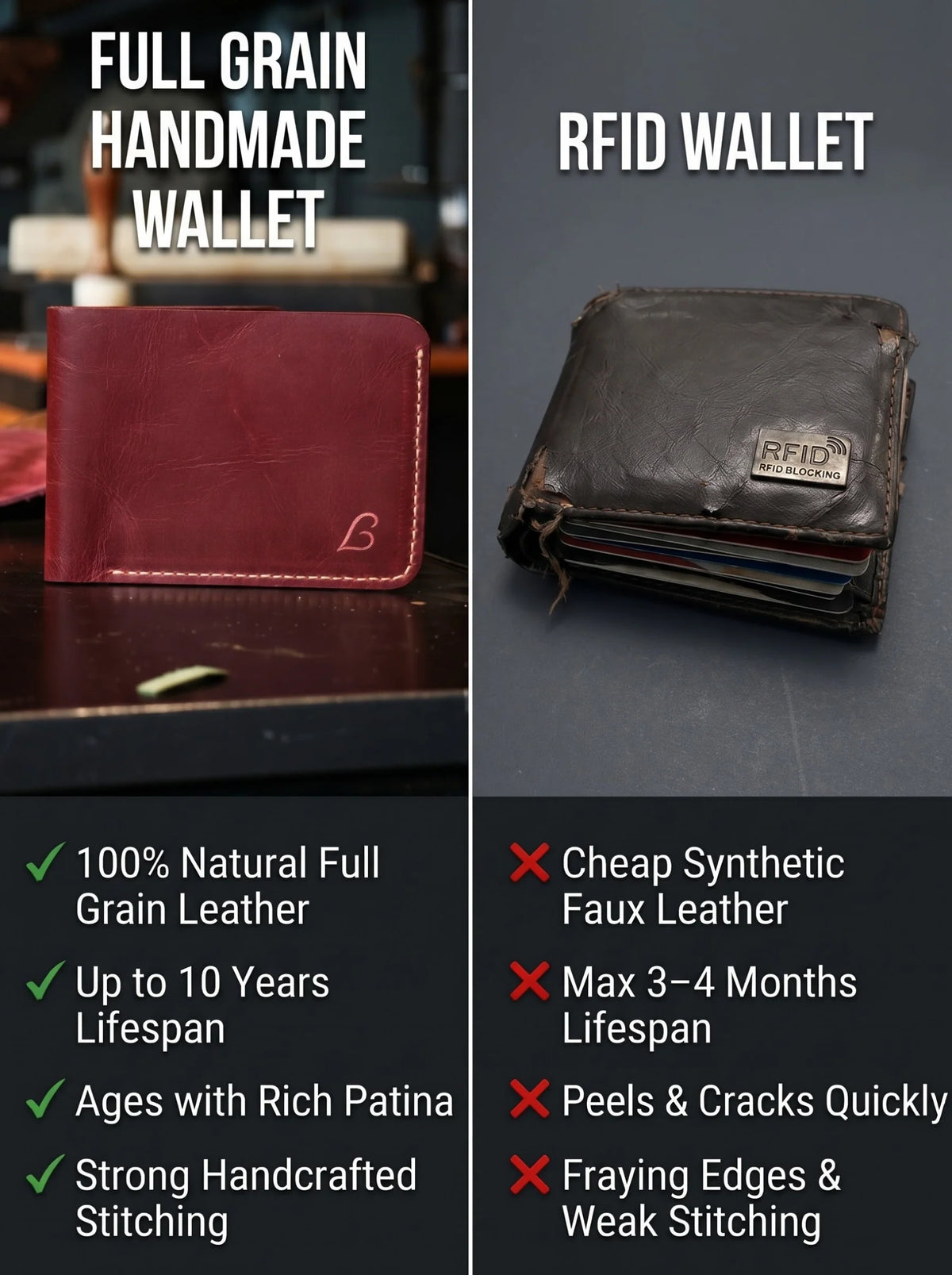
The grain and finish of a leather wallet influence how it looks and feels as it ages. Full-grain aniline leather preserves much of the hide’s natural surface character rather than covering it with a heavy, opaque finish.
Full-Grain Leather: Natural Grain Intact
Full-grain leather retains the natural grain surface of the hide without sanding it away to create a uniform appearance. Grain variations and subtle markings remain visible, giving each piece its own character from the start.
Aniline Dyeing: Color Without Hiding the Grain
Aniline leather is colored with soluble dyes that allow the natural grain and markings to show through. Its light surface protection makes it responsive to handling and everyday use, but also more susceptible to stains and moisture than heavily coated leather.
More heavily pigmented or coated leathers can age differently because their finishes limit direct contact with the surface. How any wallet wears also depends on the quality of its materials, construction, and care.
What to Expect as Your Wallet Ages
Patina develops gradually, not on a fixed schedule. The leather’s original color, finish, and frequency of use will influence how quickly changes become noticeable.
- Early use: The wallet may begin to soften and settle around the cards and cash you carry. High-contact edges may develop a subtle sheen.
- Over the following months: Changes in tone and surface polish may become more visible. Some light scuffs may blend into the developing patina, while other marks can remain.
- Over the years: With suitable care, the leather can develop a deeper, more individual appearance, with variations that reflect your daily routine.
Patina is not the same as damage. Cracking, torn stitching, and excessive stretching are signs of wear that deserve attention, rather than changes to encourage.

Shop the Black & Red Two-Tone Bifold Wallet
4 Simple Habits to Help Your Wallet Age Gracefully
1. Use It Naturally
Let patina develop through normal handling. There is no need to speed up the process with oils, water, or deliberate sun exposure, which can cause uneven staining or damage.
2. Condition Only When Needed
Follow the maker’s care instructions and choose a conditioner suitable for aniline leather. Use a small amount only when appropriate, and test it on an inconspicuous area first, as conditioning can darken the leather or change its finish.
3. Avoid Harsh Cleaners, Excess Water, and Heat
Use a soft, dry cloth for routine care. Avoid household cleaners and alcohol wipes. If your wallet gets wet, gently blot away moisture and let it air-dry at room temperature, away from heaters, hair dryers, and direct sunlight. Consult the maker’s care guidance for stains or deeper cleaning.
4. Keep It Light
Carry the cards and bills you need without forcing extra items into the pockets. Avoiding overstuffing helps reduce unnecessary stretching and strain on the stitching.
A Wallet That Becomes Your Own
The appeal of full-grain aniline leather lies in its individuality. Natural markings provide the starting point, and daily use adds new layers of color and character.
With thoughtful care, your wallet can become more personal over time, carrying the traces of everyday life alongside the essentials you keep inside it.

Leave a comment
This site is protected by hCaptcha and the hCaptcha Privacy Policy and Terms of Service apply.